A paint is composed of pigments, solvents, resins, and various additives. The pigments give the paint color; solvents make it easier to apply; resins help it dry; and additives serve as everything from fillers to antifungicidal agents. Hundreds of different pigments, both natural and synthetic, exist.

Services
Choose the best Products
to start

Paints
- Products
- Titanium Dioxide
- Dispersing Agent
- Defamer/Antifoam
- Opaque Polymer
- Pure Acrylic Emulsion
- Styrene Acrylic Emulsion
- Polyester Resin for Powder Coating
- Epoxy Resin for Powder Coating
- Curing Agent
- Pigments

Leather
Leather is a durable and flexible material created by tanning animal rawhide and skins. The most common raw material is cattle hide. It can be produced at manufacturing scales ranging from artisan to modern industrial scale.
- Products
- Basic Chromium Sulphate (BCS)
- Sodium Meta Bisulphate (SMBS)
- Sodium Thiosulphate (Hypo)
- Ammonium Chloride
- Sodium Sulphide Flakes
- Formic Acid
- Sodium Bicarbonate
- Ammonium Sulphate
- Wetting Agent
- Degreasing Agent
- Liming Auxiliary
- Bating Enzyme
- Sequestering Agent
Textile
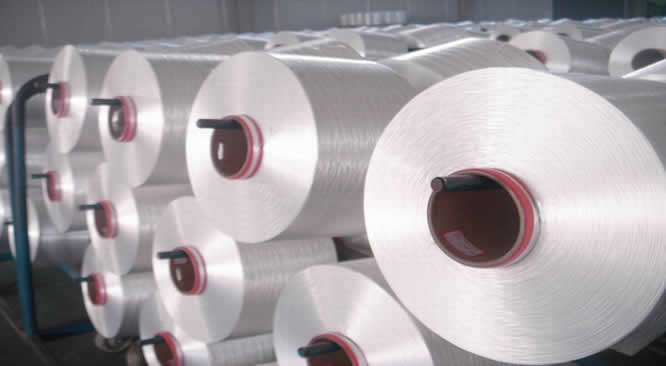
The textile industry uses many raw materials, or substances that have not yet been turned into textile threads. A textile is a material made of thin fibers or filaments spun into yarn and woven into fabric. The word ''textile'' comes from the Latin texere which means weaving. So textile raw materials are substances to be made into threads for weaving textiles.
- Products
- Soda Ash Light
- Caustic Soda Flakes, Pearls, Micropearls
- Sodium Sulphate Anhydrous (Glauber Salt)
- Hydrogen peroxide
- Glacial Acetic Acid
- Sodium Metabisulphate (SMBS)
- Silicone Oil
- Pigments

Plastics
Plastic materials have been created using many different kinds of matter over the years. Originally, resins were made from vegetable matter including cellulose from cotton, furfural from oat hulls, oil from seeds and various starch derivatives. Bakelite (phenol formaldehyde resin), one of the first plastics made from synthetic components, was developed by Belgian born chemist Leo Baekeland in New York in 1907.
- Products
- Ethyl Vinyl Acetate (EVA)
- General Purpose Polystyrene (GPPS)
- High Density Poly Ethylene (HDPE)
- High Impact Polystyrene (HIPS)
- High Molecular Weight Poly Ethylene (HMWPE)
- Linear Low Density Poly Ethylene (LLDPE)
- PET Resin
- BR
- SVR
- NBR
- Pigment
- Polyamide Resin
- PVC Resin
- Silicone LIMS
- Carbon Black

Pharmaceuticals
The pharmaceutical industry has a lot of constraints and specialties, which make it stand on a completely different scale than any other industries. Being closely related to the medical field and also complementary to it, the pharmaceutical industry needs utmost care and precision in each and every aspect of the field ranging from collecting the raw materials to getting the final product ready for supply in the market. Excipients are also called drug carriers.
- Products
- API
- Excipients
- Skimmed Milk Powder
- Lactose
- Sorbitol
- Color
- Flavour
- Vitamin
- Minerals
- Solvents

Food Ingredients
A food ingredient is any substance that is added to a food to achieve a desired effect. The term “food ingredient” includes food additives, which are substances added to foods for specific technical and/or functional purposes during processing, storage or packaging. There are two types of food additives—direct and indirect. Direct food additives are used in foods to impart specific technological or functional qualities. For example, stabilizers are used to help prevent separation of nutrients in fortified milk products, while phosphates are used as a leavening agent in baked goods. Indirect additives are not intentionally added to food, but may be present in trace amounts as a result of processing, packaging, shipping or storage.
- Products
- Acidulants
- Natural Antimicrobials
- Enzymes
- Fibers
- Flavors
- Modified Starches
- Natural color
- Vitamin Premixes
- Soap Noodles
- Commodities
Glass & Ceramic
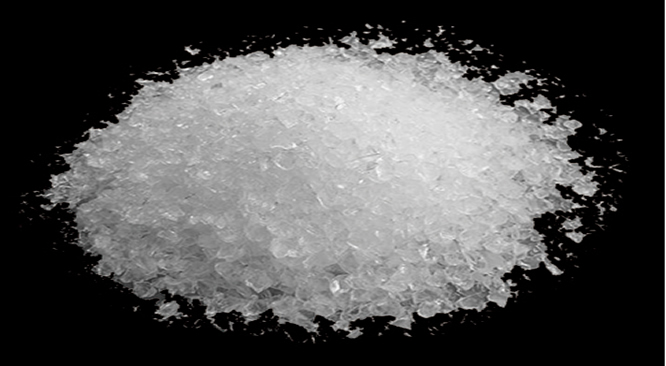
Glass-ceramics consisting of various oxide crystals in a matrix of siliceous residual glass offer properties not available with more common silicate crystals. In particular, glass-ceramics based on spinels and perovskites can be quite refractory and can yield useful optical, mechanical, and electrical properties.
- Products
- Soda Ash Dense
- Barium Carbonate
- Silica Sand
- Limestone
- Dolomite
- Sodium Nitrate
Petrochemicals
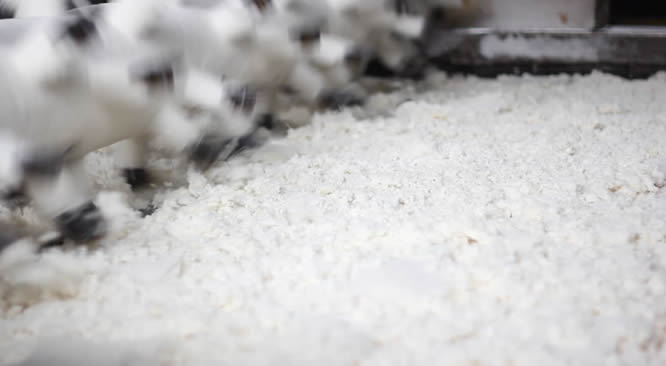
Petrochemicals are chemical products derived from petroleum, although many of the same chemical compounds are also obtained from other fossil fuels such as coal and natural gas or from renewable sources such as corn, sugar cane, and other types of biomass. Petrochemical production relies on multi-phase processing of oil and associated petroleum gas. Key raw materials in the petrochemical industry include products of petroleum oil refining.
- Products
- Vinyl Acetate Monomer
- Phthalic Anhydride (PA)
- Diethyl Hexanol/Octanol (2 EH)
- Dioctyl Phthalate (DOP)
- Xylene
- Acetone
- Glycol
- Glycerin
- Ethanol
- Ethyl Acetate
- Isopropyl Alcohol (IPA)
- Methanol
- Methyl Acetate (MEAC)
- Methyl Ethyl Ketone (MEK)
- Methyl Methacrylate (MMA)
- Methylene Chloride